
Element
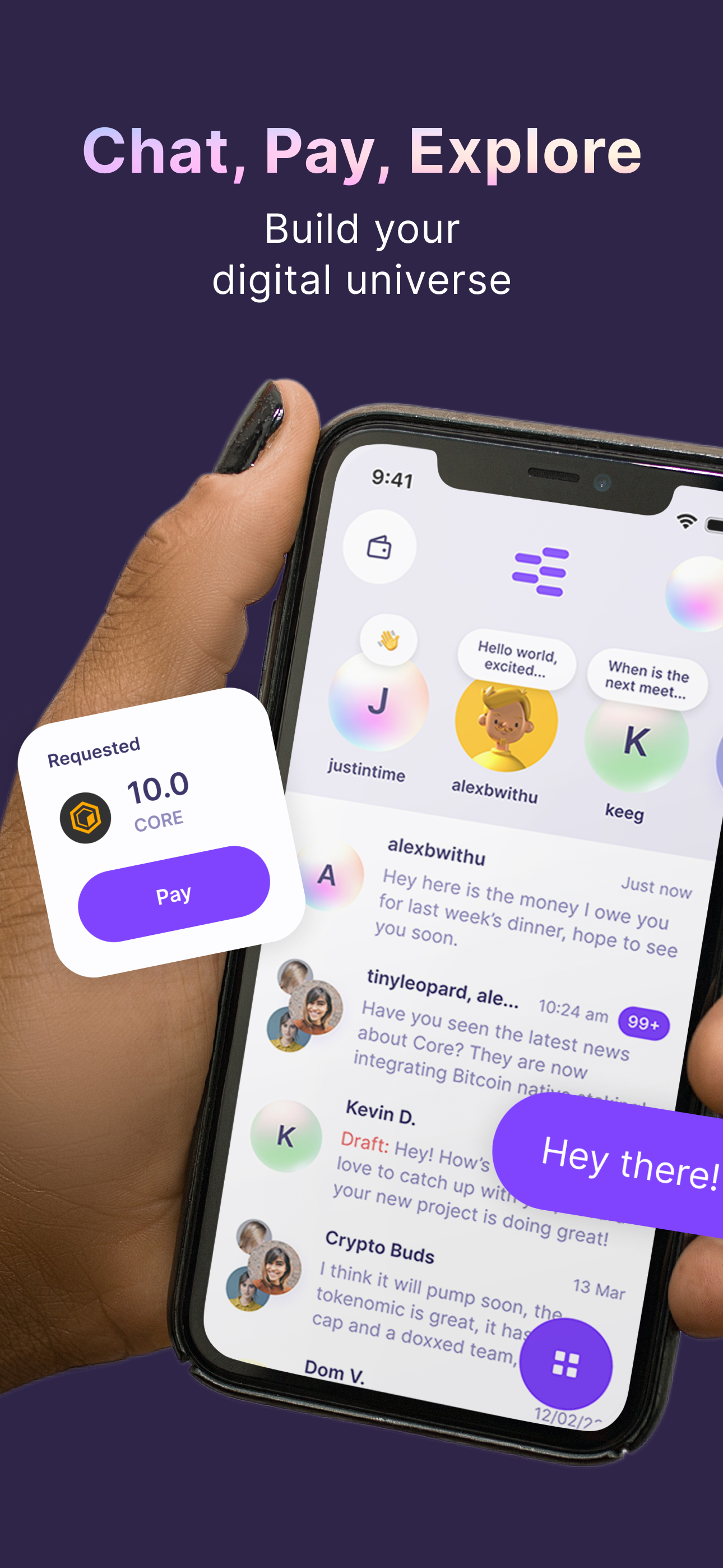
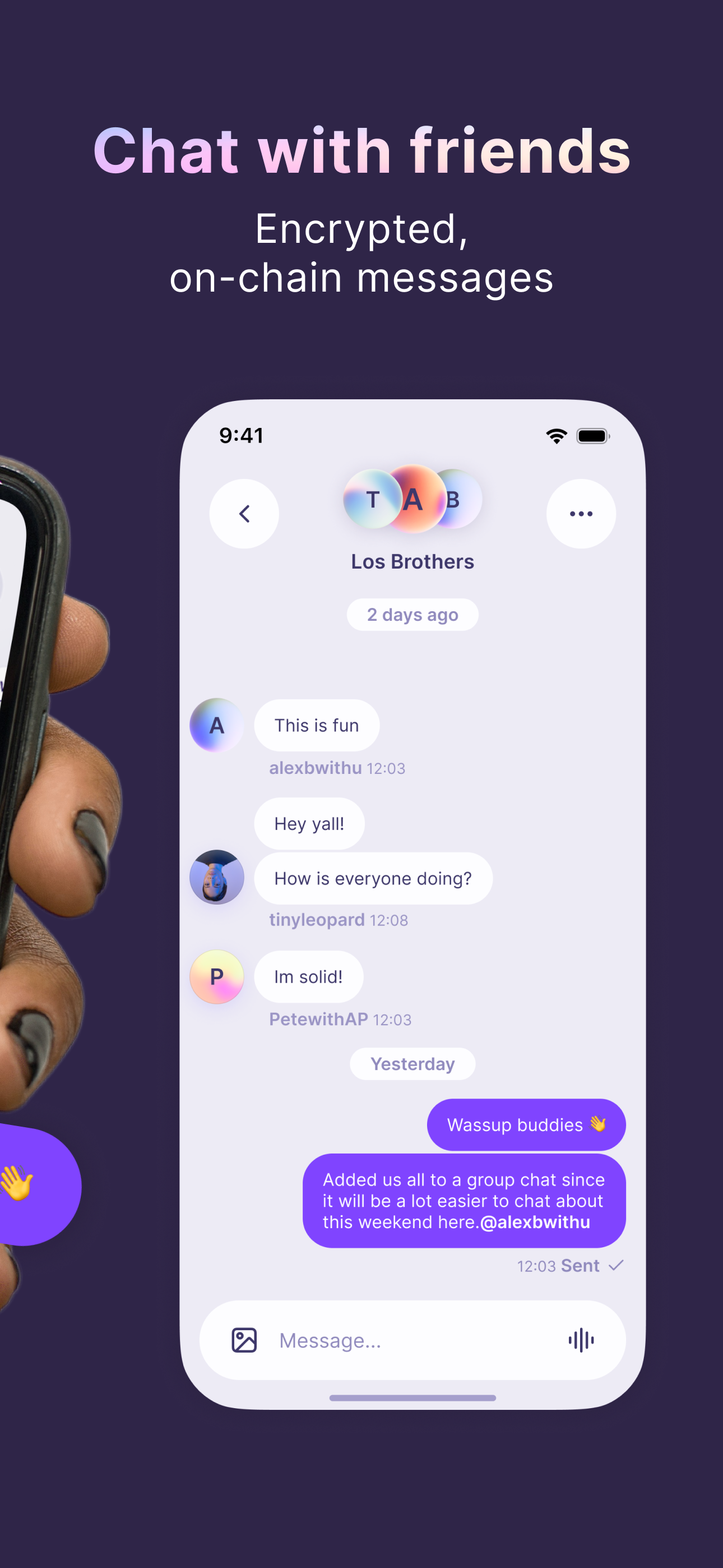
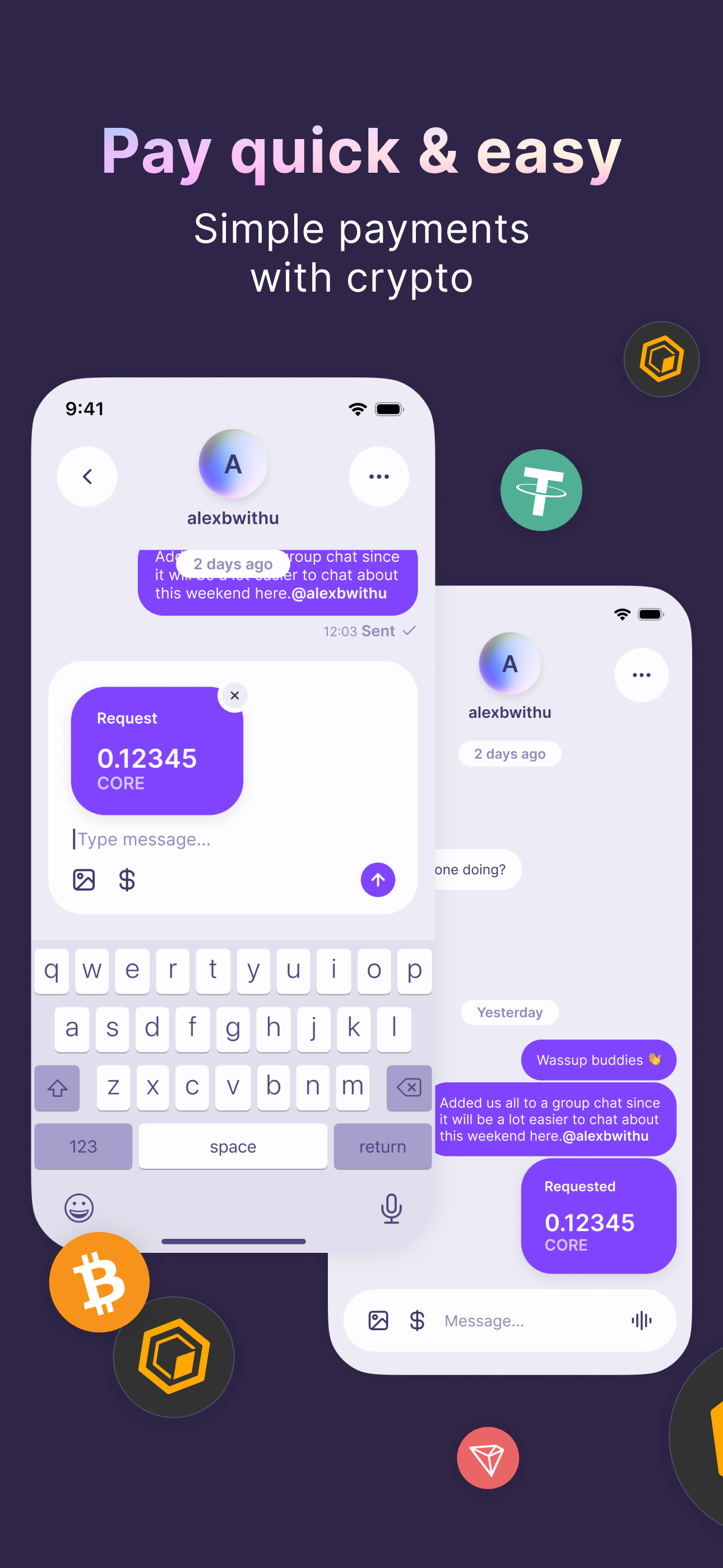
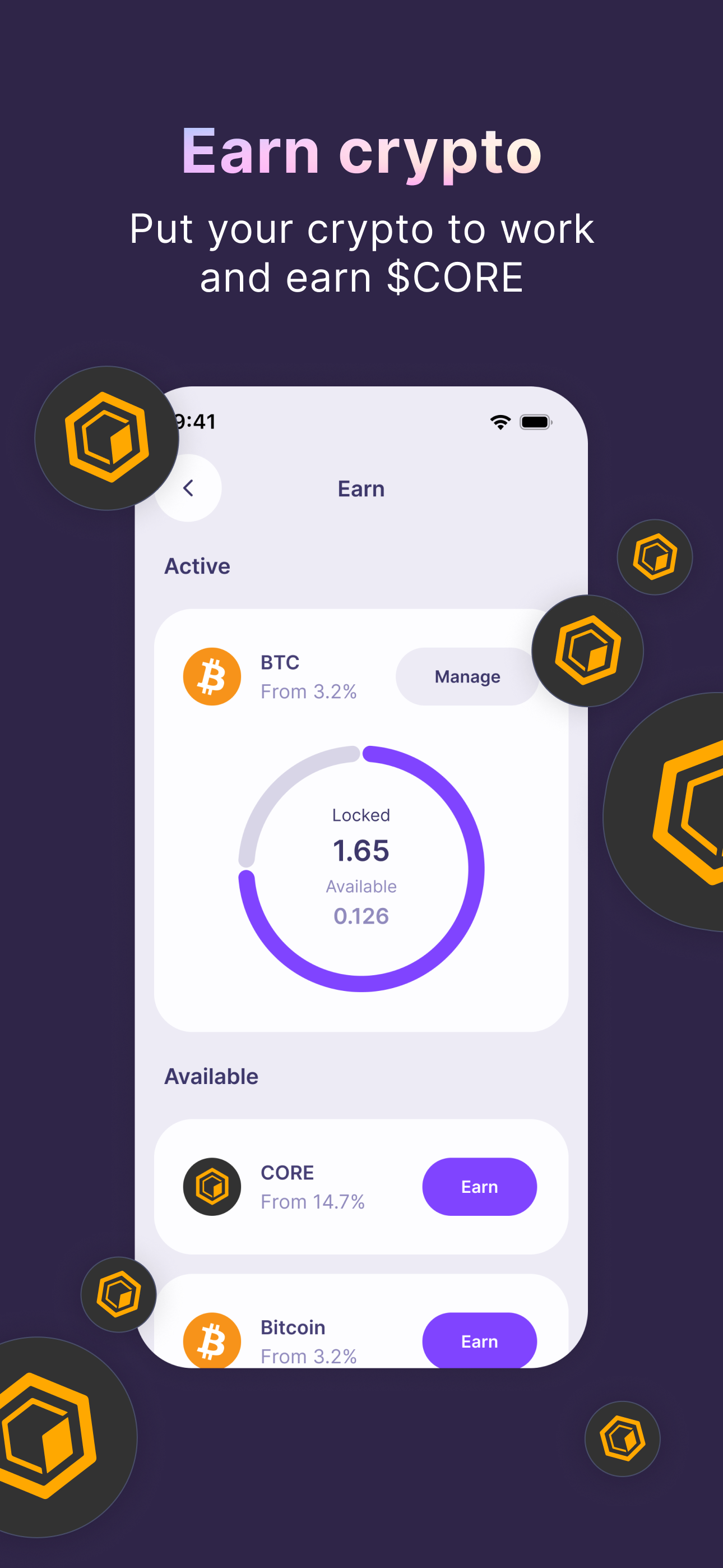
Element is a mobile crypto wallet with built-in encrypted chat, designed to make Web3 more social and accessible.
When I joined, an external studio had prototyped the product. I was brought in to refine the UX, rebuild the design system, and lead all design execution solo.
Over six month, I conducted a full UX audit, built a scalable design library using tokens, and helped evolve Element from an MVP to a feature-rich, user-friendly wallet integrated with the Core DAO ecosystem.
Try it yourself! Visit the website or go to the App Store
TLDR
The presentation
Challenge
Element’s initial design, produced by an external studio, lacked scalability, consistency, and UX depth. As the wallet expanded beyond simple storage to include P2P payments, swaps, and on/off ramps, the interface needed to evolve into a trustworthy, cohesive experience that could onboard both crypto natives and newcomers.
Responsabilities
Led end-to-end product design, from UX audits to production-ready UI.
Rebuilt the app’s design system from scratch using design tokens, ensuring cross-platform consistency.
Introduced a modular UI library aligned with engineers’ implementation needs.
Conducted user research and surveys (2,000+ participants) to identify usability gaps and feature priorities.
Designed new features such as:
P2P payments embedded in chat conversations.
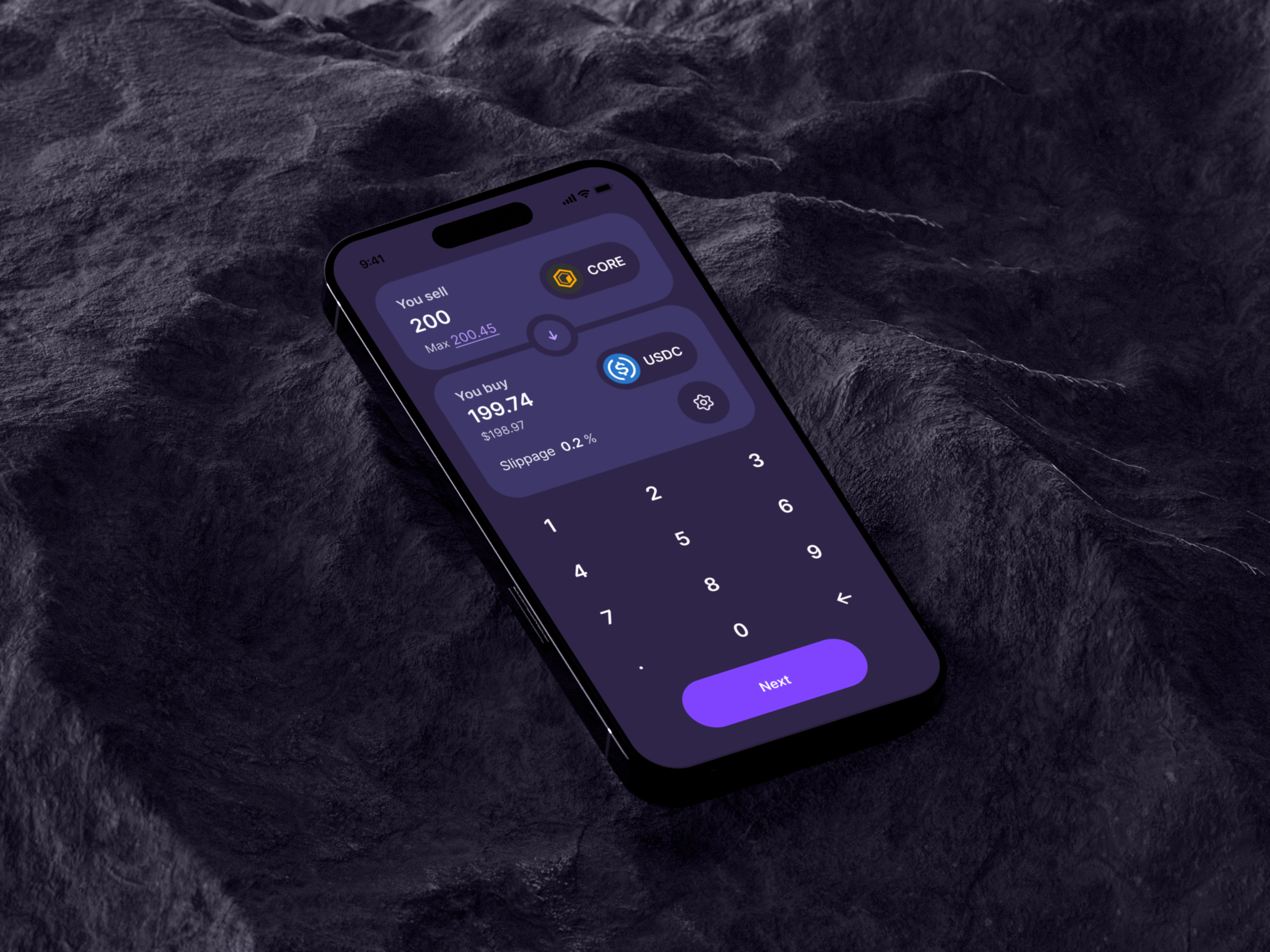
Swaps and staking flows for Core assets.
On/Off ramp integrations for fiat access.
Produced marketing visuals and animated launch videos to support app promotion.
Collaborated with PM and engineers to refine navigation, accessibility, and performance.
Design process
I began with a full UI/UX audit — mapping every screen, flow, and interaction to identify inconsistencies, friction points, and missing logic.
This step provided a clear blueprint for prioritizing improvements and informed my roadmap for iterative redesigns.
Key findings:
Inconsistent component usage and spacing.
Accessibility gaps (contrast, readability).
Confusing navigation patterns between wallet and chat.
Research
Based on audit insights, I explored multiple interaction models and visual directions. I experimented with ways to humanize transactions, blending social interaction and financial trust, e.g., payment cards appearing contextually within chats.
With validation from PMs and engineers, I translated the exploratory ideas into scalable UI frameworks. This was also where I introduced a design token-based system, creating alignment between design and engineering early on.
Goal: make crypto transactions feel as natural as sending a message, while making the internal collaboration and implementation smooth.
Explore, play, bridge
I redesigned and shipped key flows iteratively, using prototypes to gather internal and external feedback.
Refined navigation hierarchy → easier discovery of P2P, staking, and on/off ramp.
Improved readability and contrast → better accessibility compliance.
Dark mode optimizations for late-night users.
Micro-animations for transaction confirmations, boosting perceived reliability.
Build, validate
Value added
Impact
Quantitative
400,000+ downloads
50,000+ weekly active users
Qualitative
Stronger design consistency and user trust.
10x faster design iteration cycles due to the new library.
Streamlined handoffs to engineers with token-based implementation.
Clearer navigation and improved accessibility.
Element taught me how to:
Turn a messy MVP into a coherent product through systematic UX thinking.
Use design tokens and libraries to align designers and engineers.
Lead product design as a solo operator while balancing speed and depth.
Design for trust, simplicity, and usability in a space often plagued by complexity.